
 Search
 Search
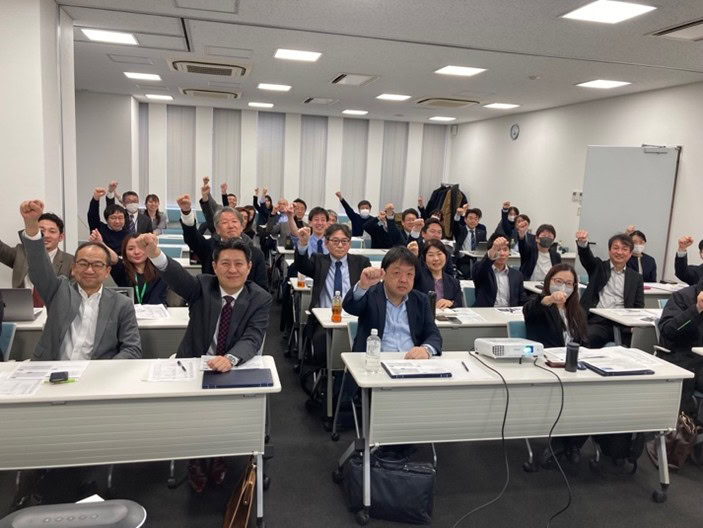
On February 20, 2026, the GFSI Japan Annual Conference convened in Tokyo, bringing together a high-level assembly of 44 participants to address the evolving landscape of global food safety.
The delegation included 8 senior government officials, 5 Certification Program Owners (CPOs), and 28 members of the GFSI Japan Local Group (LG).
The conference, themed “Paving the Way for the Future of Food Safety Through Public-Private Partnership,” served as a forum for aligning industry standards with regulatory trends and technological advancements.
AI and the human capital challenge
In the opening address, Takeshi Matsukawa, General Manager of CGF Japan, highlighted the global recognition of the Japan Local Group’s initiatives. He identified the “shrinking labor force” as a primary strategic threat to the food industry.
Non-Competitive Collaboration: T. Matsukawa emphasized that while AI is not a universal solution, it should be nurtured as a shared industry tool.
Cost Efficiency: By sharing collective wisdom in non-competitive areas of food safety, organisations can reduce investment costs while improving overall reliability across the supply chain.
2026 roadmap: culture, standards, and regulation
Leaders from three Local Group Working Groups (WGs) outlined their strategic priorities for the coming year to ensure Japan remains at the forefront of global food safety culture:
Regulatory Affairs WG: Will maintain monthly dialogues with government ministries to ensure business operators’ perspectives are reflected in food administration and human resource development.
Technical WG: Focus will shift to interpreting the revised “GFSI Position Paper on Food Safety Culture” and establishing specific educational requirements for auditors.
Knowledge Connect WG: Plans are underway for “Japan Food Safety Day” in October, following the success of the “Learning from Incident Cases” sessions.
Cross-sector dialogue: CPOs and government insights
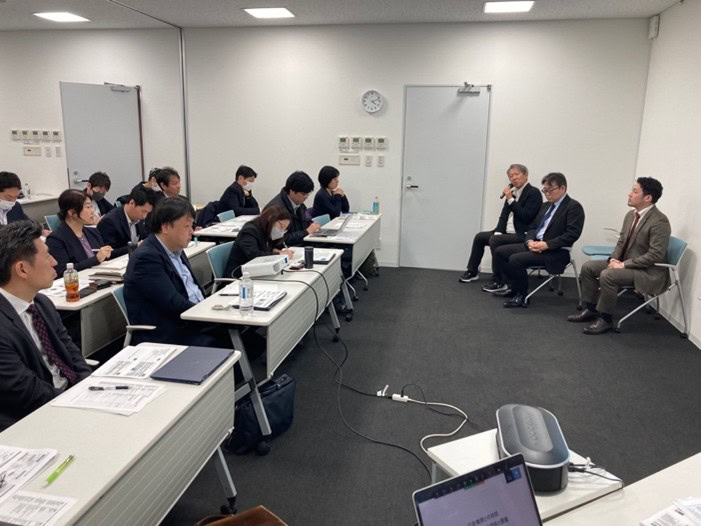
A significant portion of the event was dedicated to direct engagement with CPOs—including JFSM, FSSC 22000, GSA, SQFI, and GLOBALG.A.P.—and key government agencies.
Addressing operational bottlenecks
Auditor shortages: Discussions led by GSA and FSSC focused on constructing “auditor supply ecosystems” to resolve critical shortages, particularly for BAP (Best Aquaculture Practices) certification.
SME integration: CPOs are prioritising Japanese-language guidance and introductory programs to help small and medium-sized enterprises adopt global standards.
Regulatory updates from MAFF and CAA
Export support: The Ministry of Agriculture, Forestry and Fisheries (MAFF) introduced subsidies for food safety seminars aimed at promoting international exports.
Labeling and Safety: The Consumer Affairs Agency (CAA) provided updates on streamlining labeling for 42 items, the addition of cashews and pistachios to allergen lists, and scientific findings regarding PFAS (per- and polyfluoroalkyl substances).
Conclusion: leadership through dialogue
The conference concluded with a collective focus on “Human Resource Development,” facilitating a multi-generational exchange of ideas to secure the industry’s future talent.
Closing the event, LG Co-Chair Shunsuke Ito (Nestlé Japan) reinforced the value of these high-level interactions. He noted that the insights gained from CPOs and government partners would be integrated into the LG’s future activities to ensure robust food safety protocols within each member organisation.
The day ended with a social gathering designed to solidify the public-private partnerships essential to the GFSI mission.