
 Search
 Search
When the production lines are humming and the warehouse is quiet, it’s easy to assume your facility is secure. But in the world of food safety, silence is often a lie. The spaces you don’t see — the dark voids above suspended ceilings, the narrow cavities inside dry-lined walls, and the silent shadows beneath raised floors — are where the real threats lie.
For years, the industry has relied on reactive pest control: waiting for a sighting or a triggered trap before taking action. When pest activity can change so rapidly, a site that appeared pest free during one technician visit might experience a sudden and costly escalation by the next.
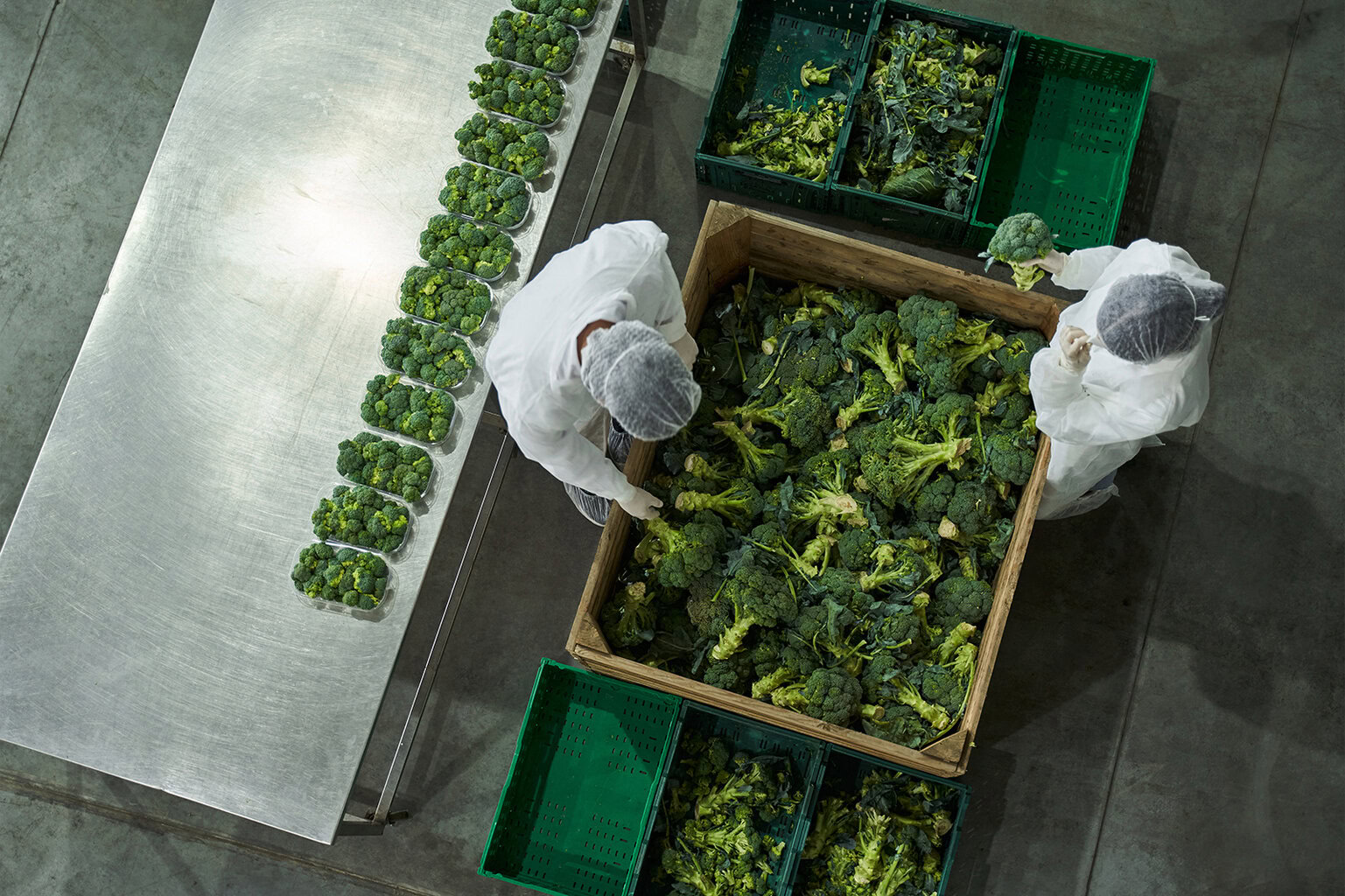
In today’s global supply chain, where brand reputations can be damaged in minutes by a single social media post, it’s more important than ever to be proactively optimising your pest management and moving to ‘predicting and preventing’ to protect your business around the clock.
1. Preventing entry with advanced materials
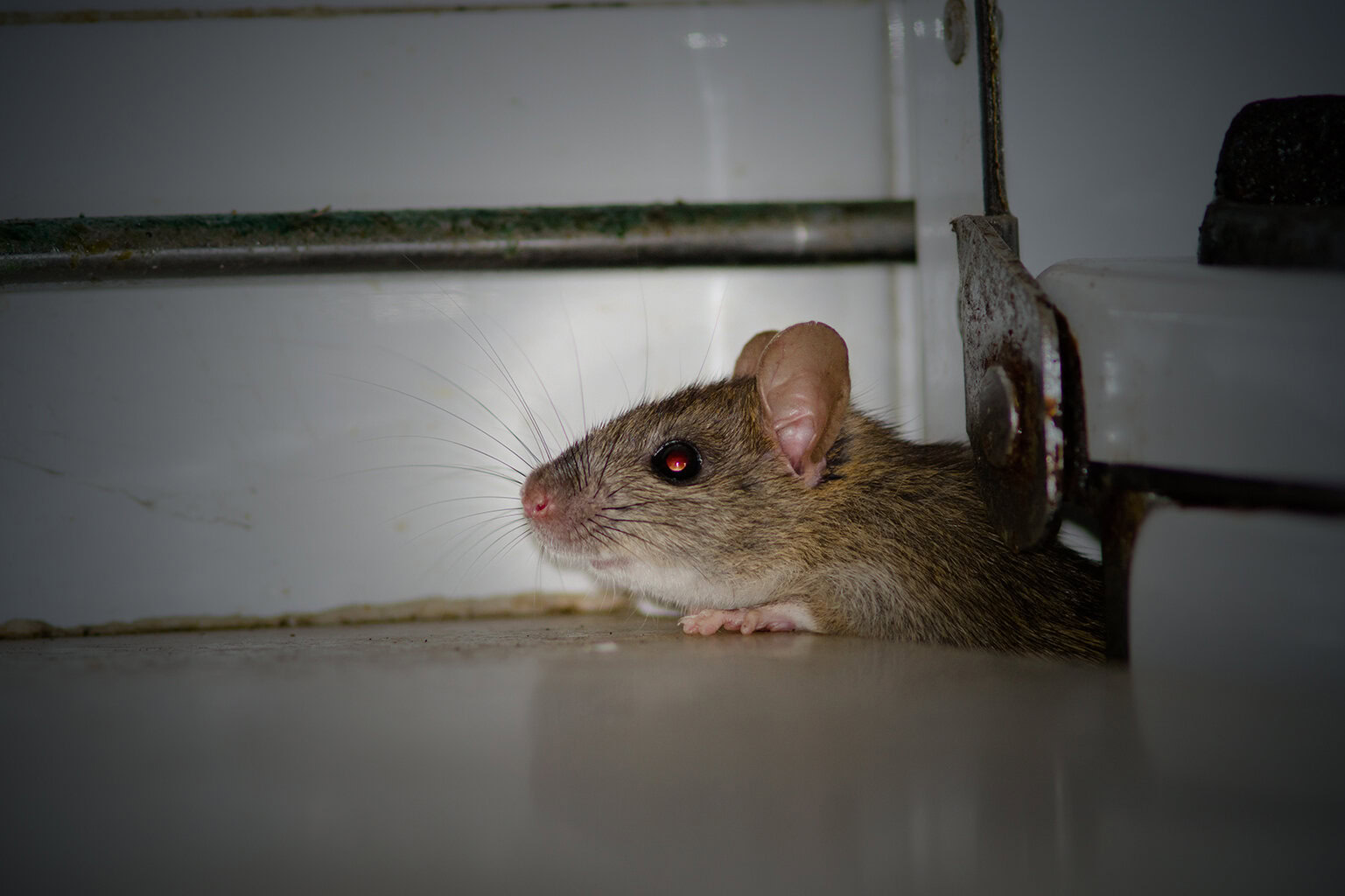
The first pillar of proactive pest control is exclusion. The most effective way to manage a pest issue is to prevent entry in the first place. However, traditional proofing methods, such as simple bristle strips or basic sealants, often fail because they underestimate the resilience and capabilities of the pests.
Consider the physical realities of a rodent:
- The 6mm rule: A mouse can squeeze through a gap the width of a pencil.
- Relentless gnawing: Rodent incisors never stop growing; they must gnaw to survive. Their teeth are exceptionally strong, scoring 5.5 on the Mohs hardness scale — that’s close to steel and harder than aluminum, copper, and concrete.
To counter these, specialised, high-durability solutions are critical. By using advanced materials like stainless steel mesh and high-tensile fibres incorporated into proofing solutions, businesses can create barriers to entry and impenetrable seals for features such as doors, pipework, vents and vehicle docking bays.
2. Your AI eyes in the dark
No fortress is perfect, however. Doors are left open by staff, and pallets arrive from suppliers with hitchhiking pests already hidden away inside.
This is where the second pillar — actionable intelligence — comes in. The integration of artificial intelligence (AI) and optical camera technology has revolutionised how we monitor pests in food environments.
Seeing the unseen
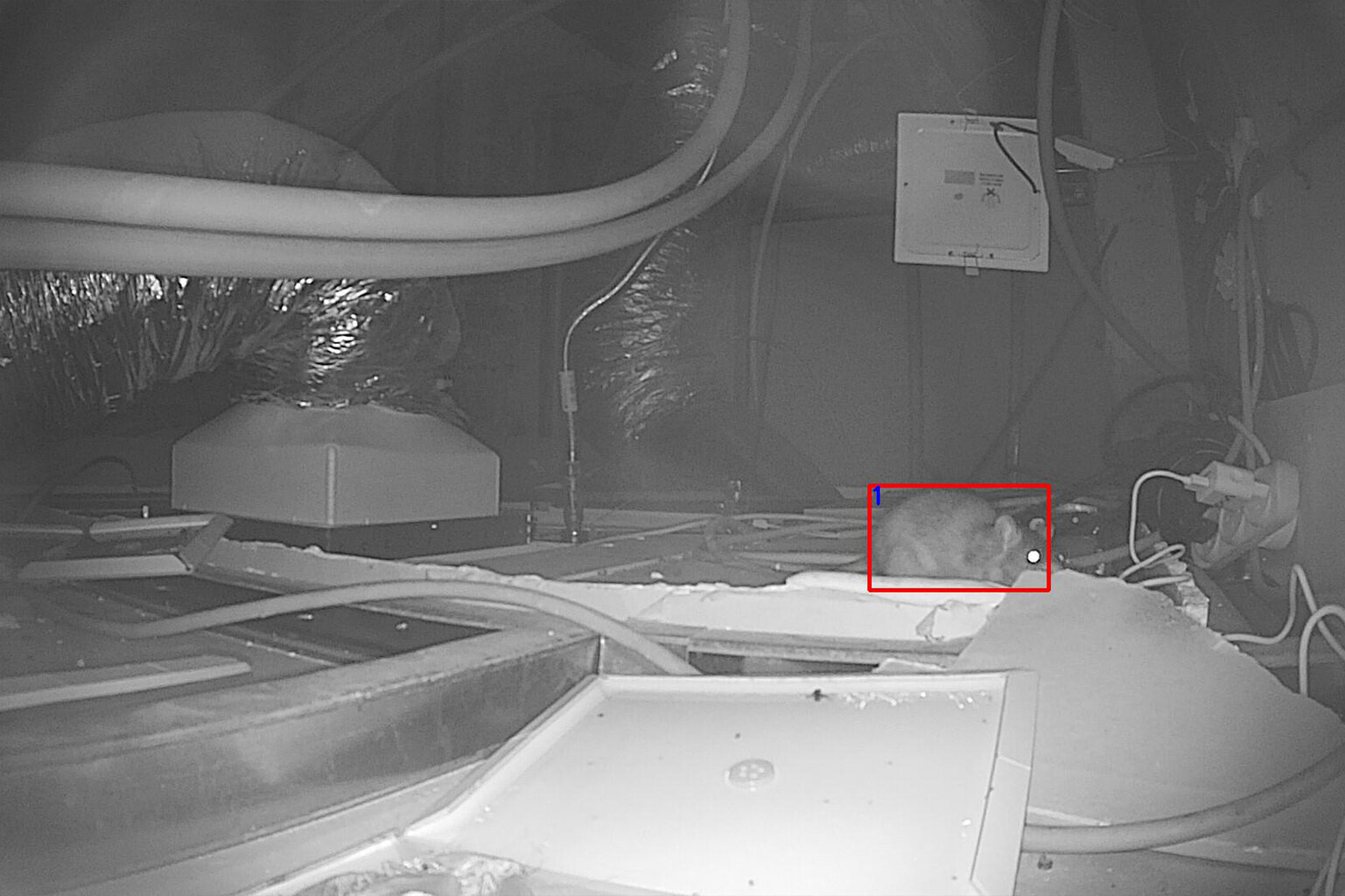
Rodents are nocturnal and highly secretive. AI-enabled monitoring systems placed in high-risk, low-visibility areas, such as cable trays and roof and wall voids, provide 24/7 surveillance. This technology doesn’t just record activity; it analyses it.
Advanced machine-learning technology, trained on millions of image points, can distinguish between a false alarm (such as a shadow or moving equipment) and a genuine threat. When a pest is identified, the system acts instantly, alerting expert teams to verified activity and providing them with actionable data by helping them to understand:
- Behavioural patterns: Is the pest avoiding current traps (trap shyness)?
- Entry points: Where exactly did the breach occur?
- Real-time identification: Is it a solitary scout or an established colony?
3. The digital audit trail and total transparency
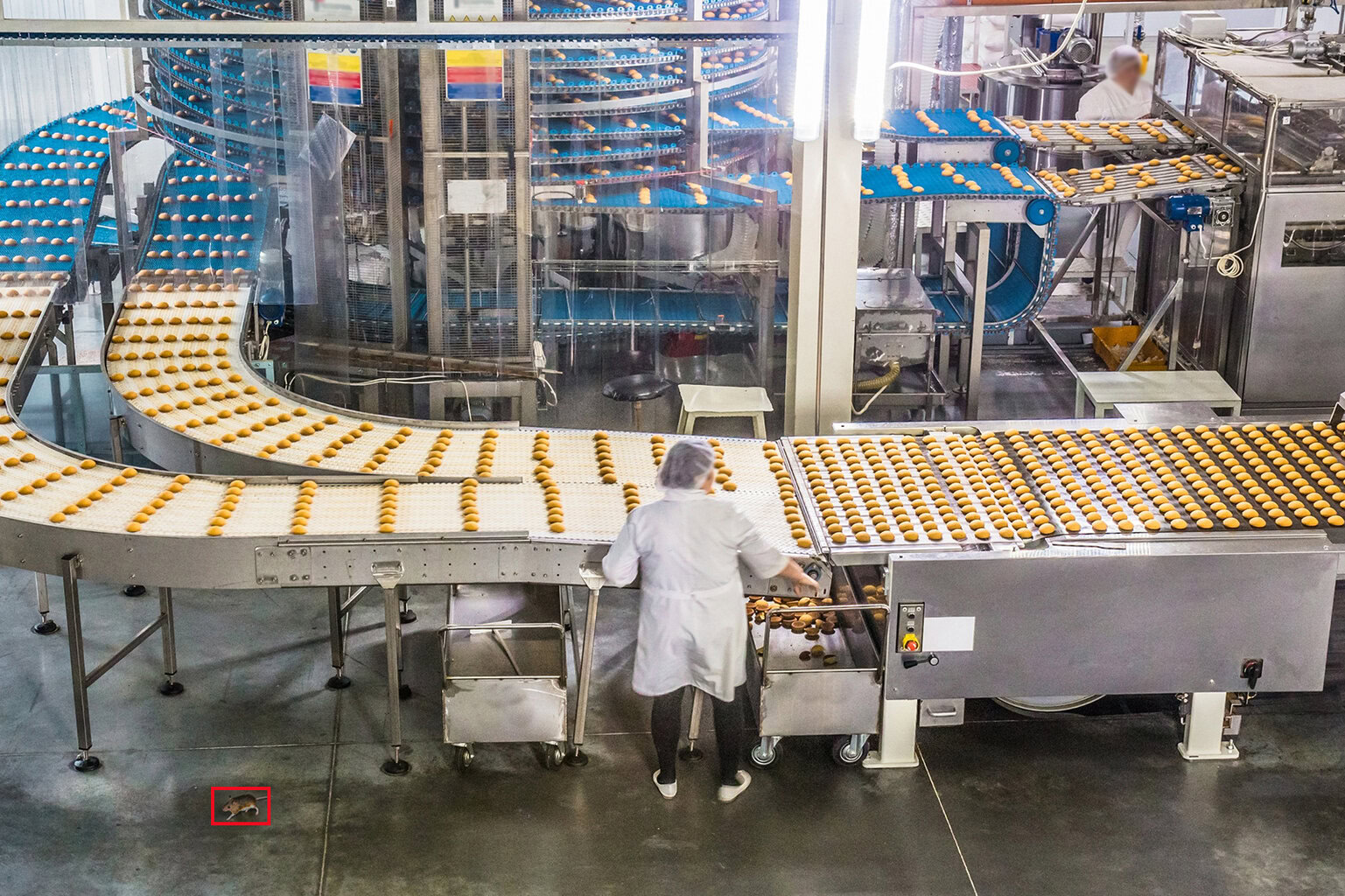
For stakeholders in the food supply chain, pest control is a foundational pillar of compliance.
Proactive monitoring creates a permanent digital audit trail. Through integrated reporting & analysis, facility managers have instant access to evidence from ai-enabled pest control cameras, proving they are monitoring high-risk areas. This offers a level of transparency that is vital during high-stakes audits.
But transparency on this level isn’t without added challenges. It’s not as simple as being able to provide photographic evidence. What if those photos capture people in the background? AI systems need to be built with privacy in mind, with advanced software that can automatically blur human faces before an image is even saved. It’s the only way to ensure transparency without compromising employee privacy or data protection regulations.
The move towards defence
The mathematics of infestation are simple: by the time you see a pest on your production floor, the reproductive cycle is already in motion, and your surfaces may already be contaminated.
By combining the physical (exclusion) with the digital (AI monitoring) defence modes, food businesses can move away from the “reactive” and instead create a proactive shield. One that minimises initial entry and detects pest threats earlier for faster, more effective resolution. One that is more sustainable (by reducing the need for chemical treatments) and more effective at protecting your brand and the food supply chain.
Don’t wait for the pest to reveal itself. By the time it does, the damage is already done. Choose to be proactive and protect your facility from the outside in.
