
 Search
 Search
In the food industry, “quality” isn’t a department. It’s the heart within the organization that fuels all areas of the business. When food safety and quality (FSQ) are treated as a secondary box to check or a hurdle for the production team to jump over, the risk to the consumer and the brand skyrockets. Commercial resilience comes from embedding FSQ into the very DNA of an organization, from the boardroom to the loading dock.
But how do you move FSQ from a manual on a shelf to a living, breathing culture? The answer lies in the strategic use of data.
Moving Beyond Compliance to Culture
For years, food safety was reactive. A sample was tested, a result came back, and if it was within limits, the day was a success. However, high-performing organizations have realized that waiting for a failure is a dangerous game.
Embedding FSQ at all levels means shifting the mindset:
- Executive Leadership: Seeing FSQ not as a cost center, but as a brand protector and a driver of operational efficiency.
- Middle Management: Empowering supervisors to prioritize safety over speed without fear of retribution.
- Front-line Staff: Understanding the “why” behind every swab and temperature check. When everyone speaks the language of quality, the organization moves from a state of policing to a state of ownership.
Figure: Data Lifecycle
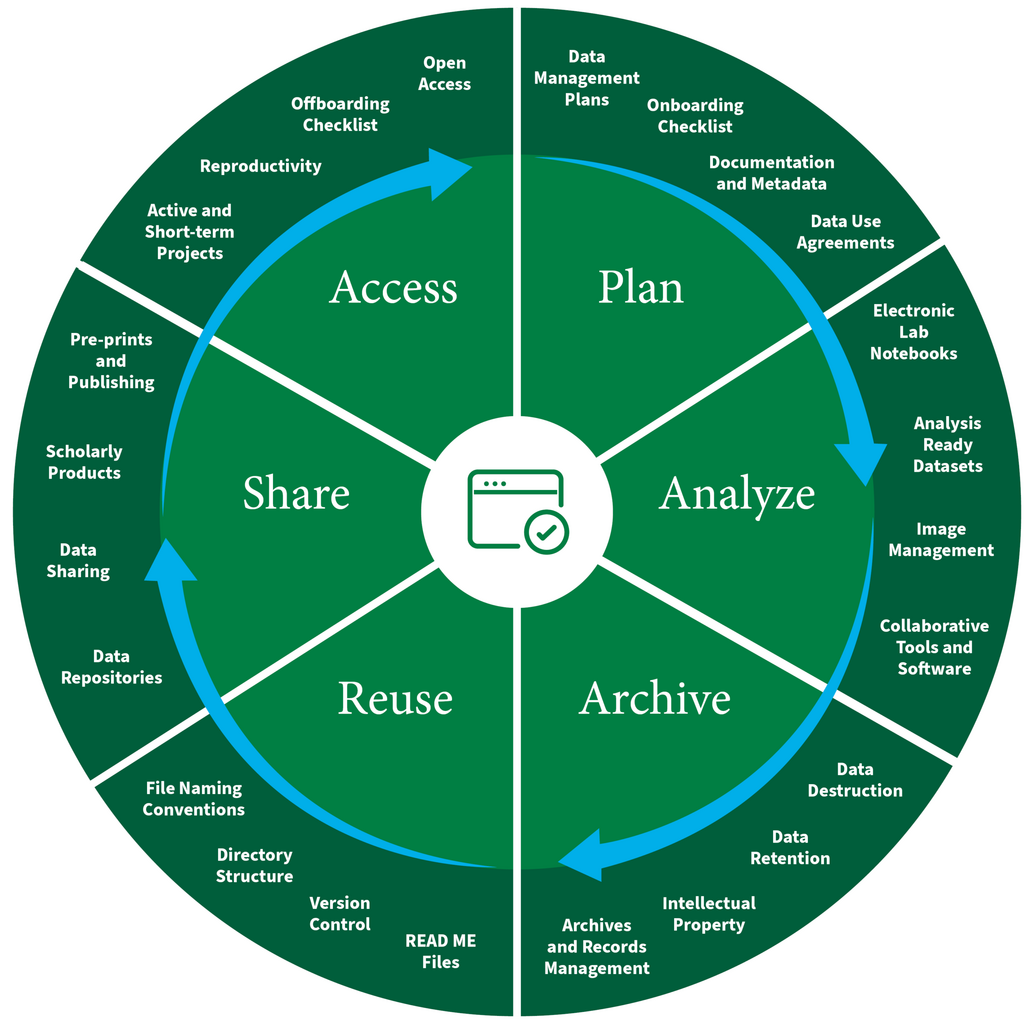
Figure Source Credit: Neogen, 2025
The Role of Data: The Great Equalizer
Data utilization is the bridge between a vague “commitment to quality” and measurable results. Having processes and procedures across the data life cycle is essential to success. By developing the maturity of a data governance system, organizations can create a unified base that informs every level of the business (Neogen, 2025).
1. Real-Time Visibility and Proactive Prevention
Traditional paper logs are where data goes to die. By the time a manager reviews a paper sheet, a deviation could be hours or days old. Digital monitoring systems allow for real-time alerts. If a sample site with consecutive out of specification results occurs, an alert may be triggered and root-cause investigation initiated. Without this alert, the only action may be to re-clean and re-test without identifying a potentially systemic issue.
2. Identifying Trends with Predictive Analytics
Data allows us to look backward to see forward. By aggregating months of environmental monitoring results, a quality team might notice a subtle upward trend in non-pathogenic microbial counts in a specific zone. This early warning allows the team to deep-clean or repair equipment before a pathogen takes hold.
3. Democratizing Information
When data is locked in a QA manager’s spreadsheet, it’s useless to the floor operator. Visualizing data through on-floor dashboards gives front-line workers immediate feedback on their performance. When a team can see their “Right First Time” metrics in real-time, they feel a sense of pride and accountability.
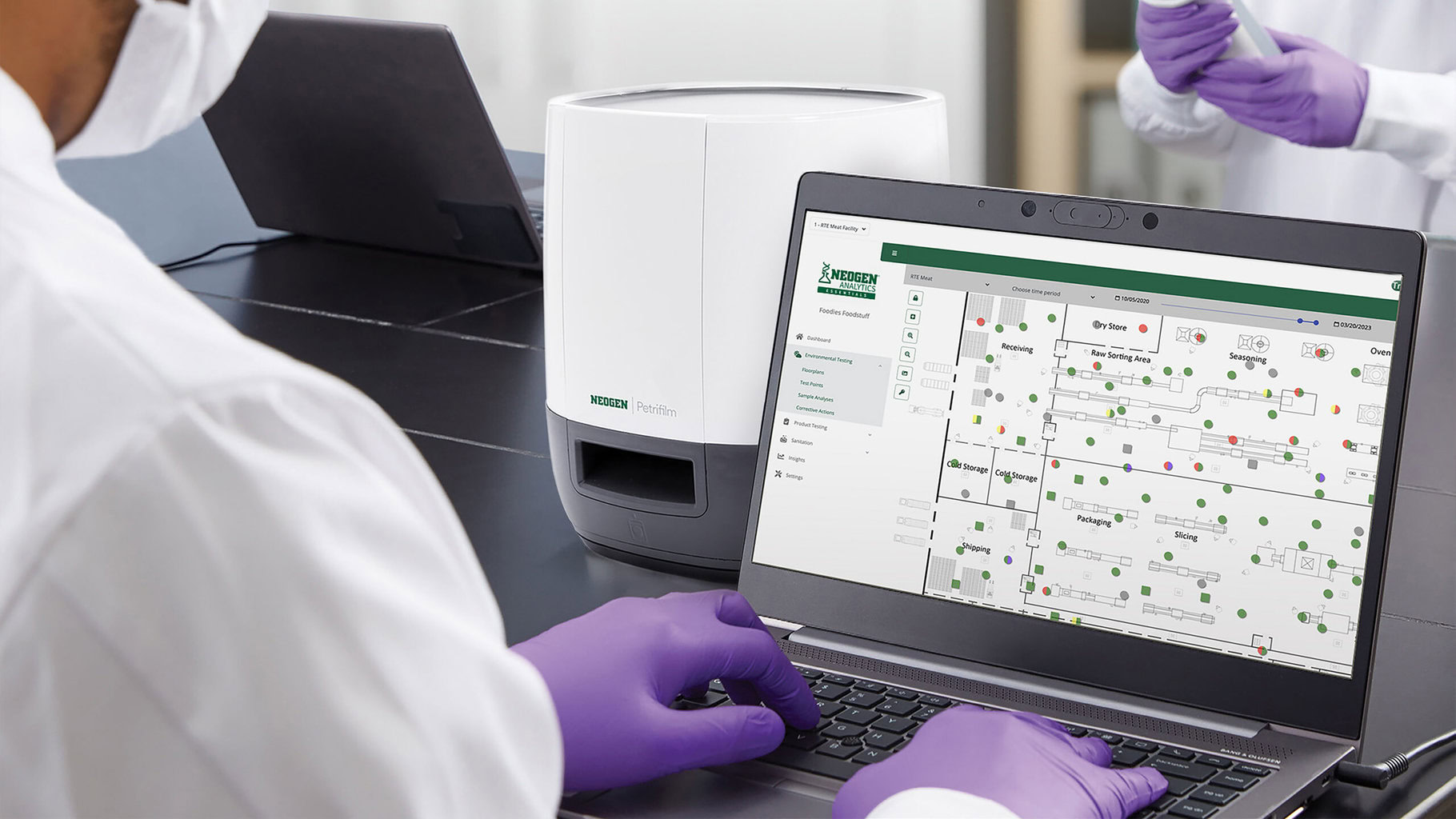
Image credit: Neogen
Strategies for Implementation
To successfully embed this data-driven FSQ culture, consider these three pillars:
- Standardize the Inputs: Ensure that data collection is uniform across different shifts and facilities. If “Clean” means something different to Shift A than it does to Shift B, your data is compromised.
- Invest in Literacy: It isn’t enough to collect data; your team must know how to interpret it. Train staff to recognize what a trend looks like and empower them to stop the line if the data suggests a risk. And yes, in the world of informatics and AI, encourage capable team members to leverage models that can be used for customized insights into your processes while leveraging industry-wide best practices. For instance, developing sampling plans, risk assessments and control measures.
- Celebrate Transparency: Use data to reward honesty. If an employee logs a failure and takes corrective action, that should be celebrated as a win for the system, not punished as a failure of the individual.
The Bottom Line
By leveraging data, organizations can move away from “gut feelings” and toward evidence-based decision-making. This creates a transparent, accountable, and consistent environment for everyone involved.
When data flows freely and every employee understands their role in the chain, quality becomes more than a policy, it becomes the way you do business.
Neogen is a proud supporter of the Global Food Safety Initiative. Visit info.neogen.com/Data to learn more about considerations and benefits when selecting a data management system.
References
Neogen. (2025). Environmental Monitoring Handbook for the Food and Beverage Industries (2nd ed.).