 Search
 Search
Throughout GFSI 2026, a consistent message emerged: the food industry is ready to move beyond reactive food safety models and toward preventive and proactive approaches. Food safety and quality leaders increasingly recognize that reacting after issues occur is inefficient, costly, and unsustainable in a context of growing supply chain complexity and operational pressure.
Advanced technologies and artificial intelligence are often cited as key enablers of this shift. However, the conversations also revealed a clear gap between ambition and reality. While interest in predictive approaches is high, many organizations have yet to set up the foundational elements needed to make them effective.
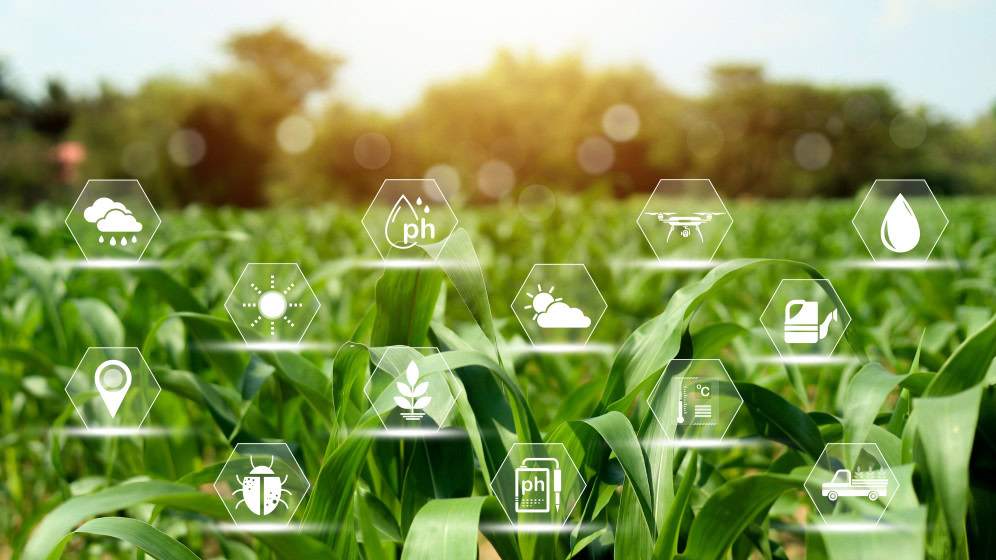
A significant part of this gap stems from the challenge of “trapped data”: information locked in disconnected silos. To bridge this, the industry is increasingly looking toward Trusted Third Parties to act as neutral data aggregators, ensuring data integrity and structure before any AI or predictive models are applied.
From anticipation to better decisions
- How do I better trust my suppliers?
- How do I know when I have to stop my production line?
Behind these questions lies a broader need shared by many food and beverage manufacturers. Today, decisions are often driven by fixed rules or isolated test results, offering limited visibility into how risk evolves along the supply chain. Leaders are not simply asking for more data or more technology; they are seeking risk-based decision support. The goal is to understand, in near real time whether to accept incoming raw material or ingredients or whether extending a run is reasonable.
In this context, anticipation only matters if it leads to better decisions: balancing food safety, quality, operational efficiency, and business continuity.
Discussions during GFSI highlighted a clear progression in how food safety value is created:
- Accuracy and trust remain foundational. Reliable test results are essential for compliance, product release, and brand protection.
- Context and insight emerge when results are no longer viewed in isolation. Trend analysis, environmental monitoring data, and process signals help identify where risk accumulates and why.
- Anticipation and prevention become possible only once data is connected, contextualized, and trusted. At this stage, organizations can move from reacting to deviations to anticipating them.
- Anticipation also relies on looking at new horizons of risk. Leaders are now exploring how emerging complexities, such as packaging sustainability and the safety of recycled materials, integrate into the broader food safety ecosystem alongside traditional biological risks.
This evolution reinforces a critical insight: proactive food safety is not only a next step enabled by algorithms alone, or a journey built on data discipline and operational relevance. It is also about having the right level of expertise at the right position in the supply chain, using data to better identify and mitigate risks and build the right priorities and make the right calls. This allows to limit the risk level.
A shared question and challenge across the whole supply chain
Leaders emphasized that predictive approaches must be embedded across the entire food safety management system and made available to the food safety professionals: including supplier oversight and second-party audits, food safety culture, and governance structures that ensure insights translate into action.
Emerging methodologies such as metagenomics also attracted strong interest, not as replacements for established tools, but as complementary approaches capable of enriching the contextual understanding of product quality and ecosystem dynamics.
Building long term food safety & quality strategy with solid short-term basis
A final takeaway from our session was the importance of balancing short-term impact with long-term transformation. Multi‑year digital ambitions are critical, but they only succeed when grounded in early and tangible progress as tools for experts. Practical successes such as sharper investigations or smarter environmental monitoring build trust today while laying out the foundation for tomorrow’s transformation.
Mérieux NutriSciences & bioMérieux